Frequently Invested
Fennel: How to Check for Bugs

Fennel is frequently Infested with insects and must be checked How to clean fennel from bugs Fennel may contain insects which are between the thin layers of the vegetable. Consequently, these insects will not be visible―unless these layers are separated from each other. Then, either spray with a jet stream, soak, or check with a lightbox.
Read MoreEtrog: How to Check for Bugs

The Etrog (AKA Escarole or Citron) may have to be checked, depending what part you want to eat. The peel Frequently infested. Must be checked. If one is not using the peel―the peel Need not be checked. However, it should be rinsed before peeling or cutting open the etrog, or squeezing it―so the infestation does not…
Read MoreChestnuts: How to Check for Bugs

Chestnuts are Frequently Infested with insects and must be checked. Cut them open and check each one.
Read MoreCelery: How to Check for Bugs

Celery is frequently infested with insects and must be checked Look for: thrips, flies and leafminer worms. How to check celery Leaves 1. Check the leaves for signs of insects, such as winding paths or dark spots. If any signs of insects are present, remove the small stem and the leaves. 2. Soak the leaves…
Read MoreCauliflower: How to Check for bugs

Cauliflower is frequently infested with insects and must be checked. Look for: thrips and worms. How to check cauliflower Cauliflower is one of the vegetables most infested with insects. And, the structure of cauliflower makes it very difficult to reach the insects—unless the cauliflower is boiled. 1. Boil all of the cauliflower in water. 2.…
Read MoreCarob (Boxer): How to Check for Bugs

Carob (AKA Boxer) is Frequently infested with insects and must be checked. How to check Carob: 1. Direct a stream of water at all parts of the carob. 2. Open the carob and look for webbing and other infestation. 3. Any individual carob that has infestation should not be used, even if the infestation is…
Read MoreWhite Cabbage: How to Check for Bugs

White (or Green) Cabbage is frequently Infested with insects and must be checked. Note that there is a different procedure for checking Red and Purple Cabbage. Look for: thrips and cabbage worms. How to check white cabbage The manner of checking cabbage depends upon how the cabbage will be used. Cabbage that will be used for cooking, pickling…
Read MoreBrussel Sprouts: How to Check for Bugs

Brussel Sprouts: Fresh Brussel Sprouts are Frequently infested with insects and their structure means they Cannot be checked. Infested by: thrips. Brussels sprouts cannot properly be inspected and should not be used. Brussel Sprouts: Frozen Frequently infested. Cannot be checked.
Read MoreBroccoli: How to Check for Bugs
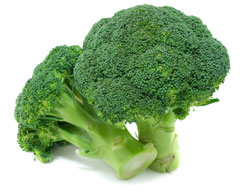
Broccoli is frequently infested with insects and must be checked. Look for: aphids, thrips, spider-mites and broccoli worms. How to check broccoli Broccoli is one of the vegetables most infested with insects. And, the structure of broccoli makes it very difficult to reach the insects. Even soaking the broccoli does not rid it of the…
Read MoreBok Choy: How to Check for Bugs
Bok Choy is frequently infested with insects. It must be checked. How to check bok choy 1. Remove each leaf from the head. 2. Soak the leaves in a solution of vegetable wash and water. Enough vegetable wash should be used to make the solution feel slippery and sudsy. The solution should be in a…
Read More